Pharmacopeial Compliance (IP, USP, BP, EP)
Ensures acceptance in regulated markets; provides assurance of purity, identity, and performance.



Phenyl mercuric nitrate stands as a specialized organomercury compound that serves as a highly effective antimicrobial preservative in pharmaceutical formulations, particularly ophthalmic preparations. This fine chemical demonstrates exceptional preservative properties, making it an essential component for manufacturers developing eye care products that require robust microbial protection. As a trusted specialty chemical, phenyl mercuric nitrate offers pharmaceutical formulators a reliable solution for maintaining product sterility and extending shelf life in sensitive ophthalmic applications. At Heni, we manufacture and supply pharmaceutical-grade phenyl mercuric nitrate that meets stringent international quality standards. Our product serves as a critical preservative system for contact lens solutions, eye drops, and other ophthalmic preparations where maintaining sterility is paramount. The compound's unique molecular structure provides broad-spectrum antimicrobial activity while remaining compatible with delicate ocular formulations.
Ensures acceptance in regulated markets; provides assurance of purity, identity, and performance.

Effective in protecting ophthalmic formulations against bacterial and fungal contamination, especially important in multi‑dose containers.

Formulated to be compatible with eye care vehicles; attention paid to minimizing irritation risk and ensuring safety in ocular contact.

Designed to maintain preservative efficacy over shelf life when stored properly; consistent batch‑to‑batch uniformity.

Only minimal concentration required to achieve preservation, helping keep formulation integrity and minimizing potential adverse effects.


Primarily used as a preservative in eye drops, artificial tears, and other liquid eye preparations to prevent microbial growth and preserve efficacy.
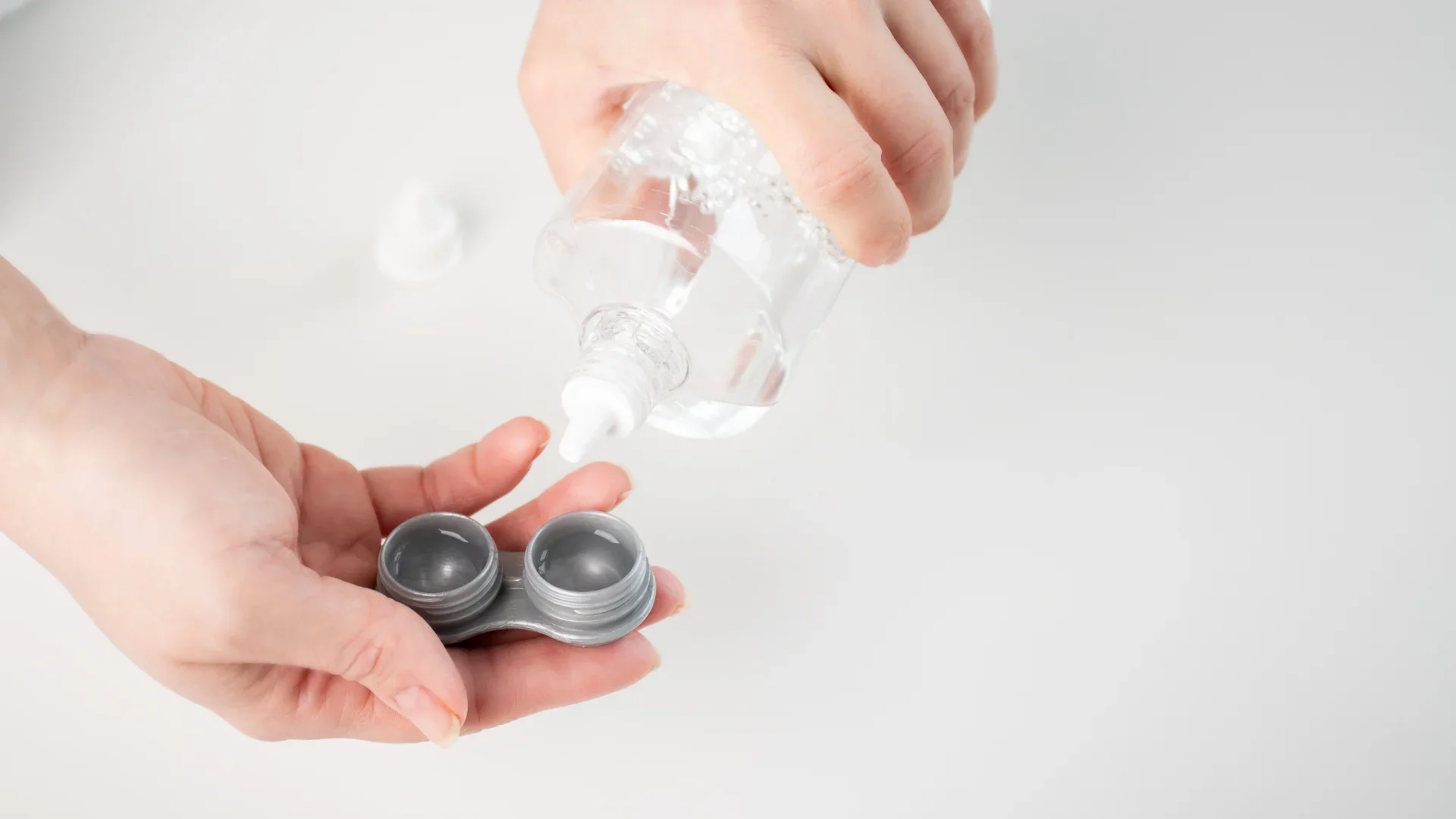
Added to cleaning and storage solutions to maintain sterility and ensure user safety.

Provides long-lasting antimicrobial protection in semi-solid eye formulations without affecting consistency or application.
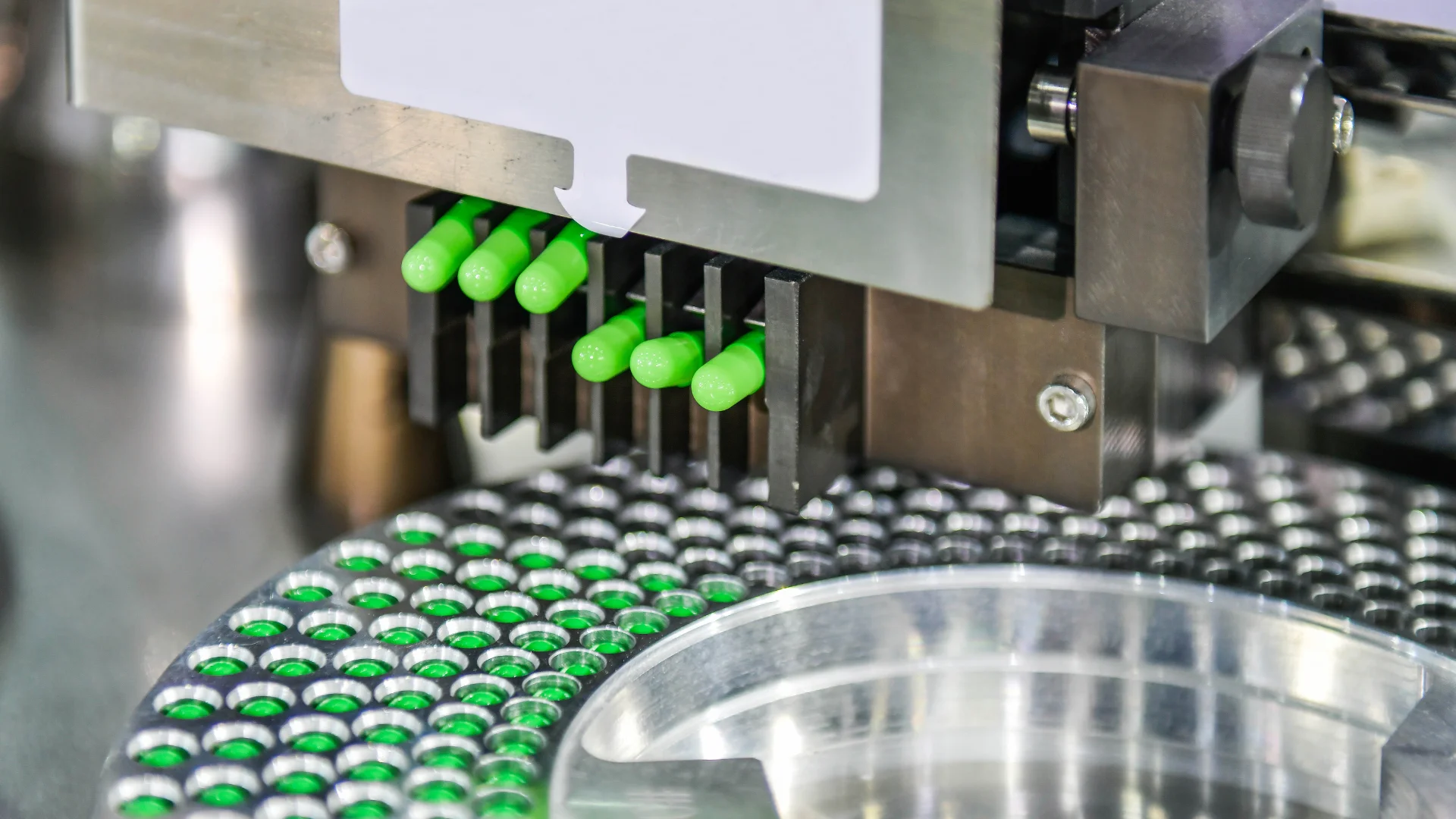
Used in select drug formulations where its preservative properties outperform alternatives.

By Star-K

Food Safety and Standards Authority of India

Quality Management Systems
Good Manufacturing Practices
| Parameter | Specification |
|---|---|
| Chemical Name | Phenyl Mercuric Nitrate |
| CAS Number | 55-68-5 |
| Molecular Formula | C₆H₅HgNO₃ |
| Molecular Weight | 339.70 g/mol |
| Appearance | White to off-white crystalline powder |
| Solubility | Slightly soluble in water, soluble in alcohol |
| Melting Point | 176-180°C |
| Purity | Between 62.5% to 64.0% |
| pH (1% aqueous solution) | 5.5-7.5 |
| Loss on Drying | ≤ 1.0% |
| Storage Conditions | Store in cool, dry place away from light |
| Shelf Life | 36 months from date of manufacture |
Phenyl Mercuric Nitrate, while highly effective, is a mercury‑based compound and must be handled with care. Here are essential safety guidelines:
When selecting a supplier for an antimicrobial preservative such as Phenyl Mercuric Nitrate, the choice of partner matters. Here’s why Heni Chemicals is a compelling option:
Yes, but with strict concentration limits and region-specific regulations. In many countries, including the US and EU, its use is limited to very low concentrations (e.g., ≤0.002%) and only in certain product types like multi-dose ophthalmic solutions. Always consult with your regulatory affairs team and refer to regional pharmacopeias.
As a mercury-based compound, Phenyl Mercuric Nitrate should be handled with appropriate PPE, fume hoods, and safety protocols. Waste disposal and environmental discharge must follow local hazardous waste regulations. Heni supplies a detailed MSDS and handling guidelines to support safe use.
Phenyl Mercuric Nitrate offers broad-spectrum antimicrobial protection at very low concentrations. While newer non-mercurial options exist (e.g., benzalkonium chloride, polyquaternium-1), PMN remains preferred in some legacy formulations for its long history of efficacy and stability, especially in sterile environments.
Yes, we offer flexible packaging solutions to meet specific customer requirements. This includes custom container sizes, specialized labeling, and packaging formats suitable for different manufacturing environments. Contact our sales team to discuss your specific packaging needs.
Each shipment includes a Certificate of Analysis confirming product specifications, Safety Data Sheet with handling and safety information, and Technical Data Sheet with detailed product information. Additional regulatory documentation can be provided upon request.