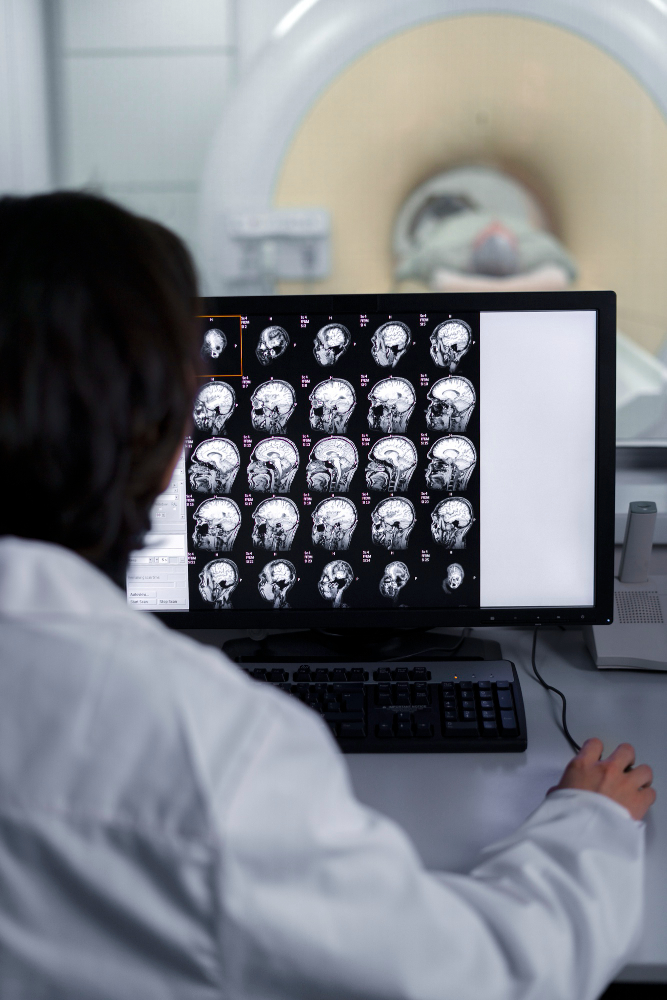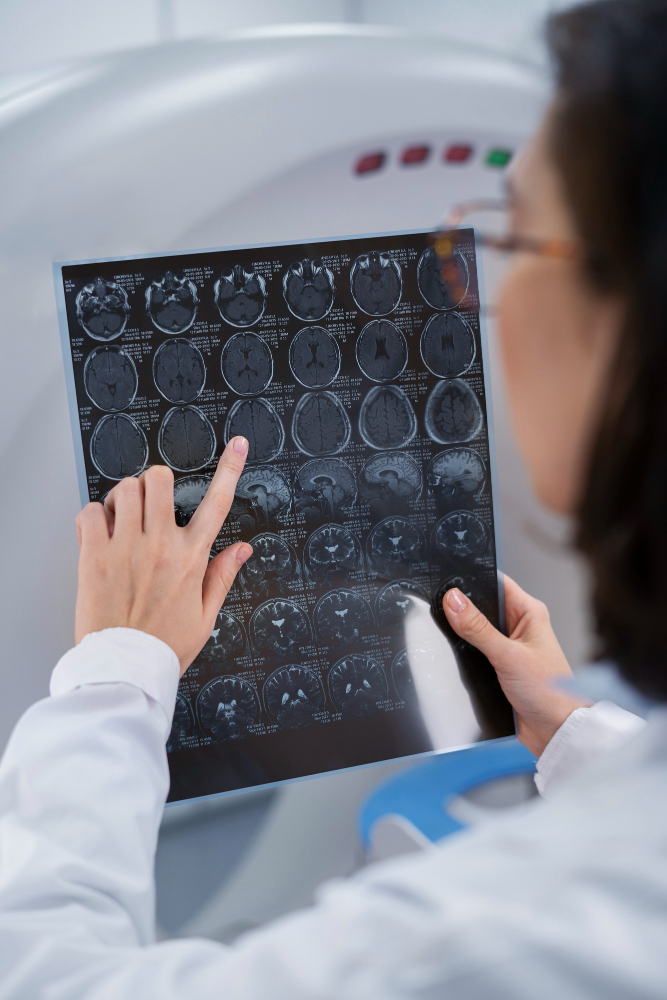





Interventional Radiology is a medical specialty that treats a wide range of conditions using minimally invasive, image-guided procedures. By using real-time imaging such as X-ray guidance, these treatments allow targeted therapy with smaller incisions, reduced discomfort, and shorter hospital stays. This service is suitable for patients who require vascular or non-vascular interventions across multiple organ systems.
Conditions and care areas include:
Meet our compassionate medical experts dedicated to your health, well-being, and long-term care.
Our Interventional Radiology department provides a comprehensive range of diagnostic and therapeutic procedures performed under image guidance, tailored to each patient's clinical needs.
Our Interventional Radiology services are delivered by experienced clinicians using advanced imaging systems within a multidisciplinary hospital environment, ensuring coordinated and patient-focused care.




Interventional radiology uses imaging techniques such as X-rays to guide minimally invasive procedures that diagnose and treat medical conditions without open surgery. These procedures are carefully planned to target specific areas with precision.
The best interventional radiology hospitals follow structured clinical protocols and use advanced imaging systems to ensure accurate and safe procedures. Patient monitoring and post-procedure care are integral parts of treatment.
An interventional radiology hospital may be recommended when a condition can be treated using image-guided, minimally invasive techniques instead of conventional surgery. Referrals usually come from physicians or specialists.
An interventional radiology specialist is trained to perform complex procedures using imaging guidance to treat conditions affecting blood vessels, organs, and tissues throughout the body.
An interventional radiology doctor evaluates imaging studies and clinical findings to determine the most appropriate minimally invasive approach for each patient’s condition.