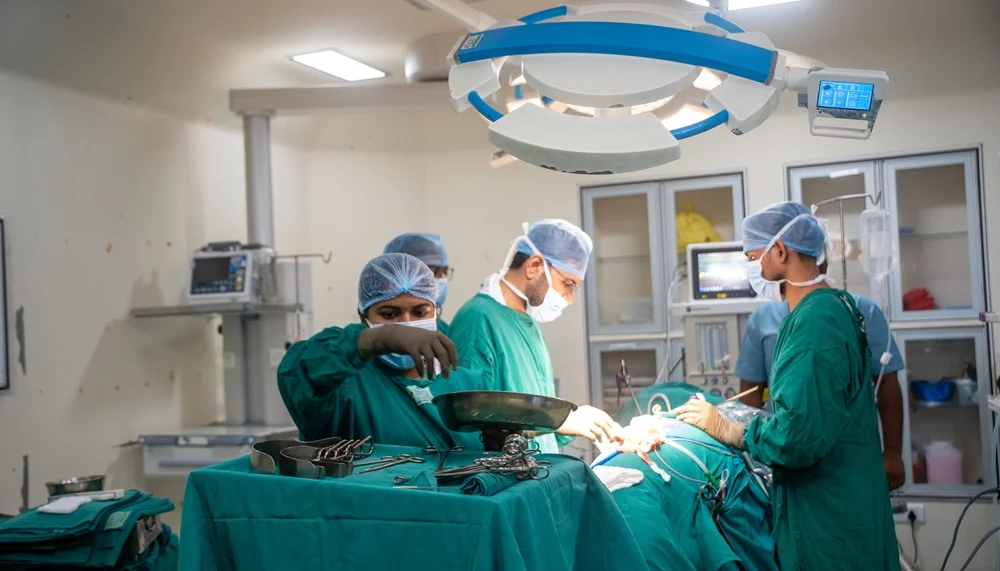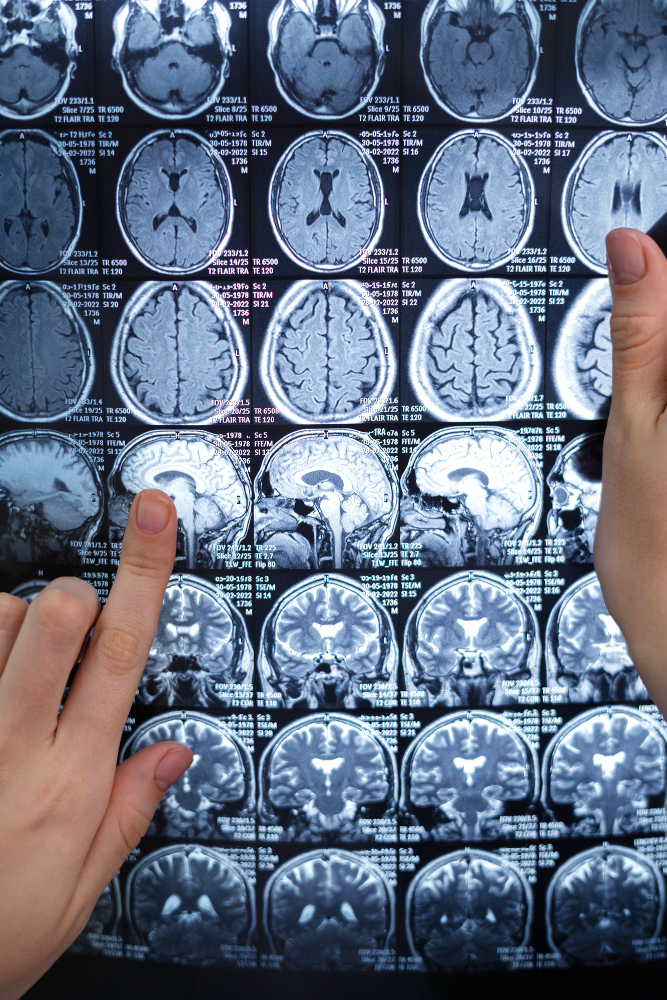





Neurosurgery Care for Brain, Spine, and Nerve Disorders

Advanced diagnosis and surgical care for complex neurological conditions

Expert neurosurgical care focused on safety, precision, and long-term recovery. 

The Department of Neurosurgery provides specialised diagnosis and treatment for conditions affecting the brain, spinal cord, spinal column, and peripheral nerves. The service is designed for patients with neurological injuries, vascular disorders, tumours, and spine-related conditions, including complex and high-risk cases. 

Conditions and care scope include: 

  • Disorders of the brain, spinal cord, and spinal column 
  • Peripheral nerve conditions affecting movement and sensation 
  • Cerebrovascular conditions such as aneurysms and stroke 
  • Brain tumours and vascular malformations 
  • Spine-related conditions requiring surgical intervention 

Expert Doctors Team

Meet our compassionate medical experts dedicated to your health, well-being, and long-term care.

Services / Procedures We Offer

The department offers a comprehensive range of neurosurgical procedures, supported by advanced infrastructure and a trained multidisciplinary team, to manage both emergency and planned neurological care.
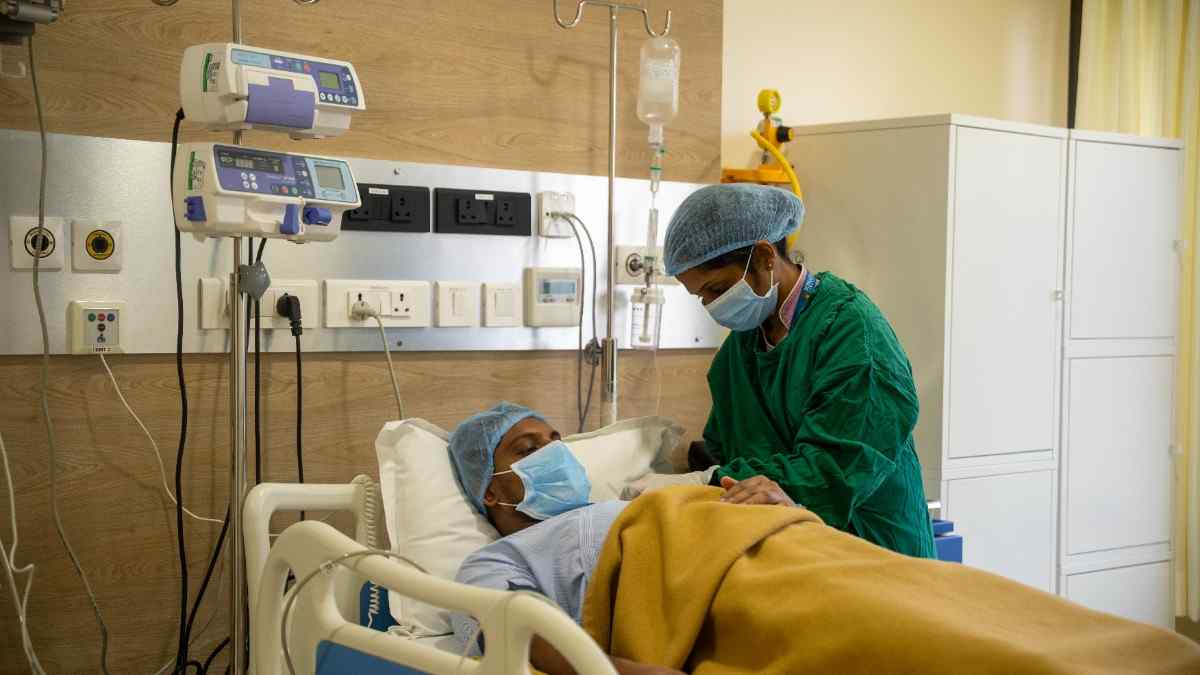
Service Image

Why Choose Us

The neurosurgery team is equipped to manage severe and complex neurological conditions through a structured, evidence-based approach to care. 

What defines our care approach: 

  • Experienced neurosurgeons trained in managing complex brain and spine conditions 
  • Advanced surgical equipment and critical care infrastructure 
  • Integrated diagnostic, surgical, and post-operative care pathways 
  • Emphasis on patient safety, ethical practice, and clinical precision 
  • Structured rehabilitation and follow-up coordination 
Why Choose Us

Patient Testimonials

FAQ

01. How do patients assess the best neurosurgery hospital in India for treatment decisions?

Choosing a neurosurgery centre involves evaluating clinical expertise, available infrastructure, and the hospital’s ability to manage complex brain and spine conditions safely. 

  • Experience in handling advanced and high-risk neurosurgical cases 
  • Availability of modern diagnostic and surgical facilities 
  • Structured care pathways covering surgery, critical care, and recovery 

02. When should I consult a brain bleed doctor?

Immediate consultation is advised if symptoms suggest bleeding within the brain, as timely diagnosis plays a critical role in treatment planning. 

  • Sudden severe headache or loss of consciousness 
  • Weakness, confusion, or speech difficulty 
  • Emergency evaluation and imaging support available 

03. How is brain haemorrhage surgery planned and managed?

Surgical planning depends on the location, severity, and cause of bleeding, with patient safety and neurological preservation as priorities. 

  • Detailed imaging and neurological assessment 
  • Individualised surgical decision-making 
  • Post-operative monitoring and recovery support 


04. What conditions are treated at a brain surgery hospital?

A brain surgery hospital treats structural, vascular, and tumour-related conditions affecting brain function and neurological health. 

  • Brain tumours and aneurysms 
  • Stroke-related surgical conditions 
  • Vascular malformations such as AVMs 

05. What does spine and neurosurgery involve?

Spine and neurosurgery addresses conditions affecting the spinal cord and supporting structures, often using minimally invasive techniques when appropriate. 
  • Disorders of the spinal column and spinal cord 
  • Nerve compression and structural spine issues 
  • Surgical and post-surgical neurological care 
If you or a loved one is experiencing symptoms related to the brain, spine, or nerves, a timely neurosurgical evaluation can help guide appropriate care.

Schedule a consultation to understand treatment options and next steps with clarity and confidence.