



What Is an EEG Test and What Does It Examine?
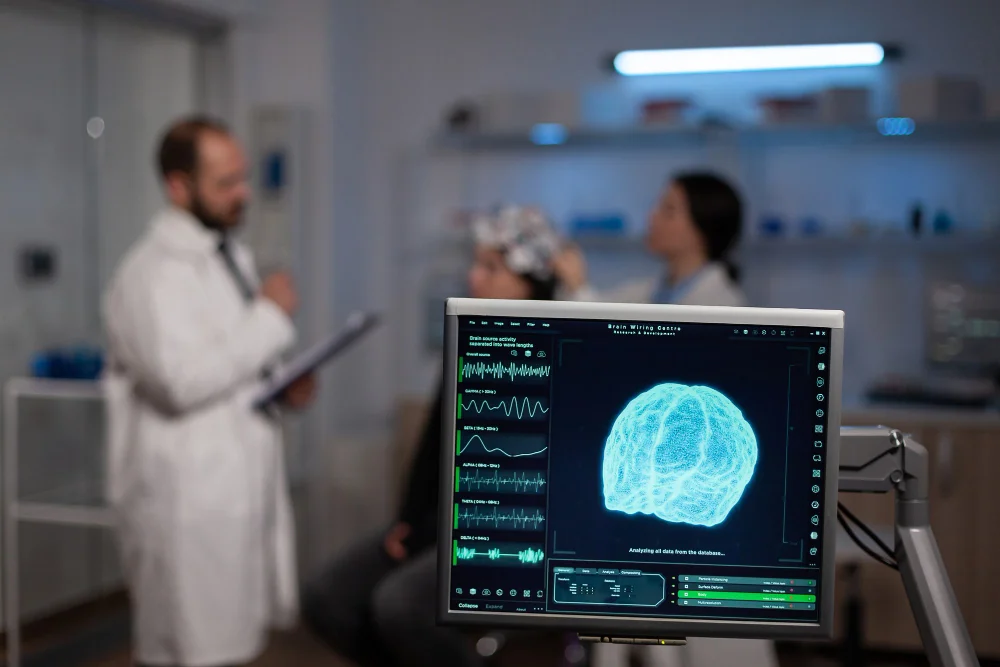
An Electroencephalogram (EEG) is a safe, non-invasive diagnostic test that records the electrical activity of the brain. It helps doctors assess brain wave patterns and identify abnormalities that may be linked to neurological conditions.
At K J Somaiya Hospital, EEG testing is performed using modern equipment and interpreted by trained specialists. This EEG brain test supports accurate diagnosis, treatment planning, and long-term monitoring of neurological disorders, helping clinicians make timely medical decisions.
An EEG diagnostic test is commonly used in the evaluation of:
The hospital provides comprehensive EEG services to support evaluation and follow-up of neurological conditions.
EEG services include:
EEG investigations are recommended based on clinical symptoms and specialist consultation.

EEG services at K J Somaiya Hospital are supported by:
These practices ensure dependable EEG reporting for both routine and urgent neurological evaluations.
An EEG test is used to evaluate the electrical activity of the brain. It helps doctors detect abnormal brain wave patterns that may be linked to seizures, epilepsy, sleep disturbances, or other neurological conditions.
An EEG medical test may be recommended to:
The EEG results are interpreted along with clinical history and other investigations.
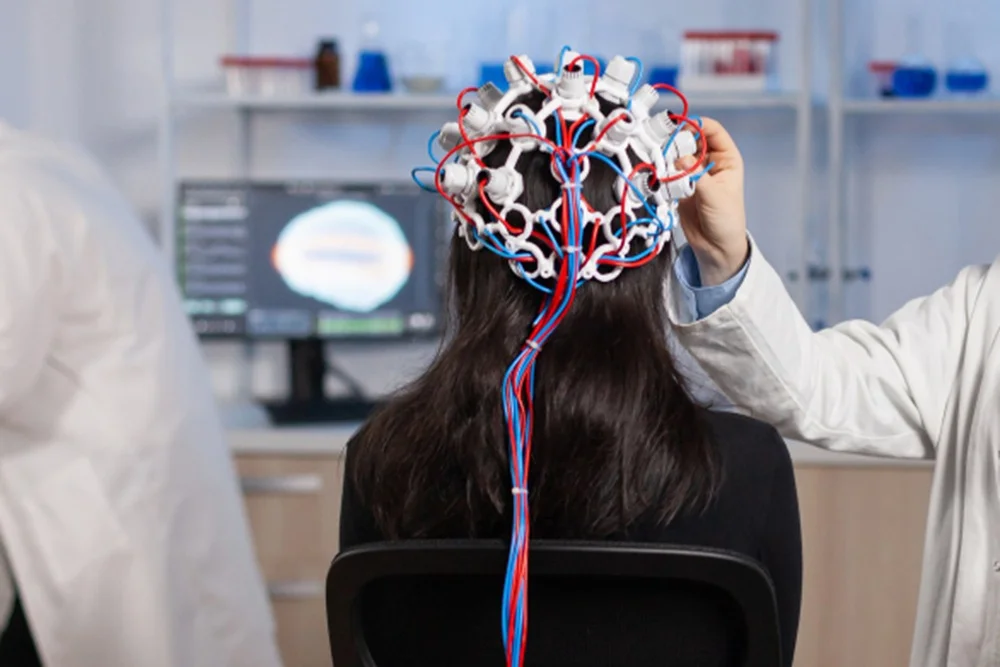
An EEG brain test involves placing small electrodes on the scalp to record brain wave activity. The test is painless and does not involve any injections or radiation.
During an EEG diagnostic test, patients may be asked to:
The goal is to capture accurate brain activity patterns that support diagnosis.
An epilepsy EEG test is recommended when a doctor suspects epilepsy or wants to evaluate repeated seizure episodes. EEG helps identify abnormal electrical discharges that may be associated with seizure disorders.
This test may be advised for:
EEG plays an important role in confirming diagnosis and planning ongoing care.
Yes, an EEG test after seizure may be advised as part of the diagnostic evaluation. EEG helps doctors understand whether abnormal electrical brain activity is present even after the episode has passed.
An EEG test for seizures helps in:
Your doctor will advise the appropriate timing based on your symptoms and medical condition.
An EEG is highly useful for evaluating seizure disorders and abnormal brain electrical activity, but it may not detect every type of brain condition. It is one component of neurological evaluation.
EEG is especially helpful for:
Doctors may recommend additional imaging or tests depending on clinical need.
If you are searching for an EEG test centre near you, it is important to choose a facility with trained specialists, proper equipment, and reliable reporting.
A good EEG centre should offer:
Hospitals with neurology diagnostic support are usually preferred for accurate evaluation.
If you are looking for an EEG test nearby, it is best to choose a hospital that can support timely evaluation and specialist interpretation, especially for seizure-related or neurological symptoms.
EEG testing is useful for:
At K J Somaiya Hospital, EEG services support both routine and clinically urgent neurological evaluations.