




What Is a PFT Test and What Does It Examine?
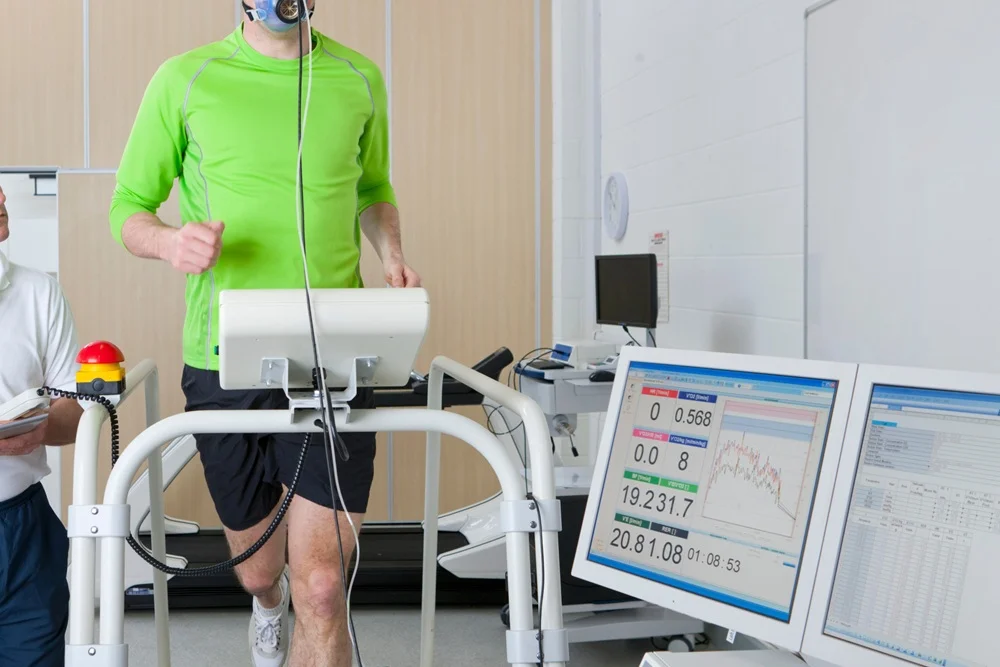
A Pulmonary Function Test (PFT) with spirometry is a simple, safe, and non-invasive breathing test used to assess how well the lungs are functioning. It measures how much air a person can inhale and exhale, and how quickly air can be blown out of the lungs. This helps doctors evaluate airflow limitation and overall respiratory performance.
At K J Somaiya Hospital, the PFT lung test supports diagnosis and monitoring of respiratory conditions such as asthma, COPD, and chronic bronchitis. It is also commonly advised for symptoms like breathlessness, chronic cough, wheezing, or reduced exercise tolerance.
A PFT diagnostic test helps assess:
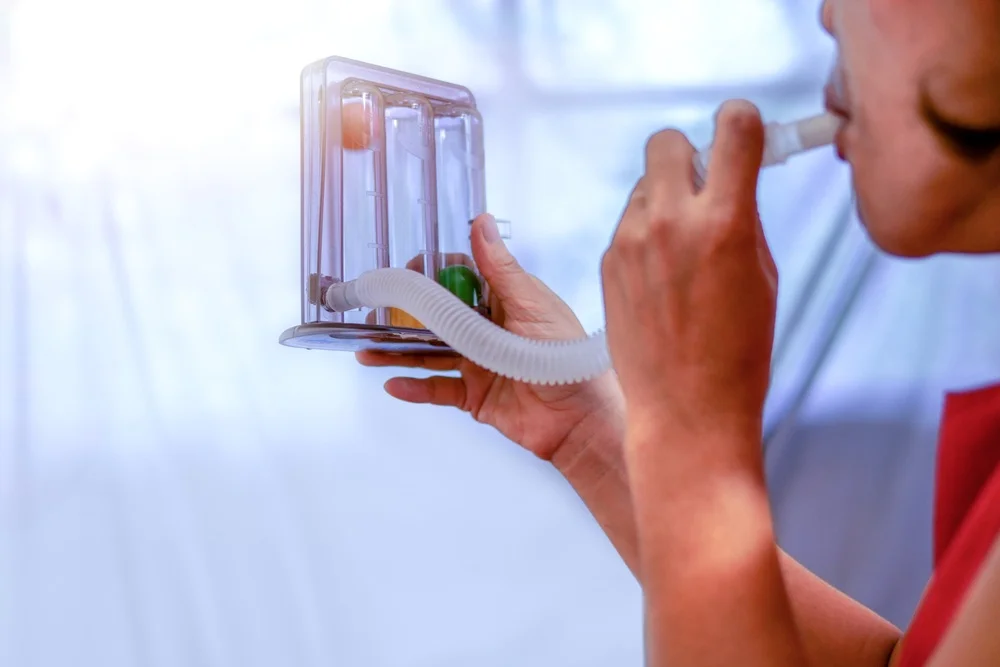
During a PFT spirometry test, patients are asked to take a deep breath and blow forcefully into a mouthpiece. The test may be repeated multiple times for accuracy and may also be repeated after inhaler medication as part of a bronchodilator response evaluation.
The hospital provides comprehensive pulmonary testing to support evaluation and management of respiratory conditions.
PFT services include:
All tests are performed under trained supervision and interpreted for clinical decision-making.
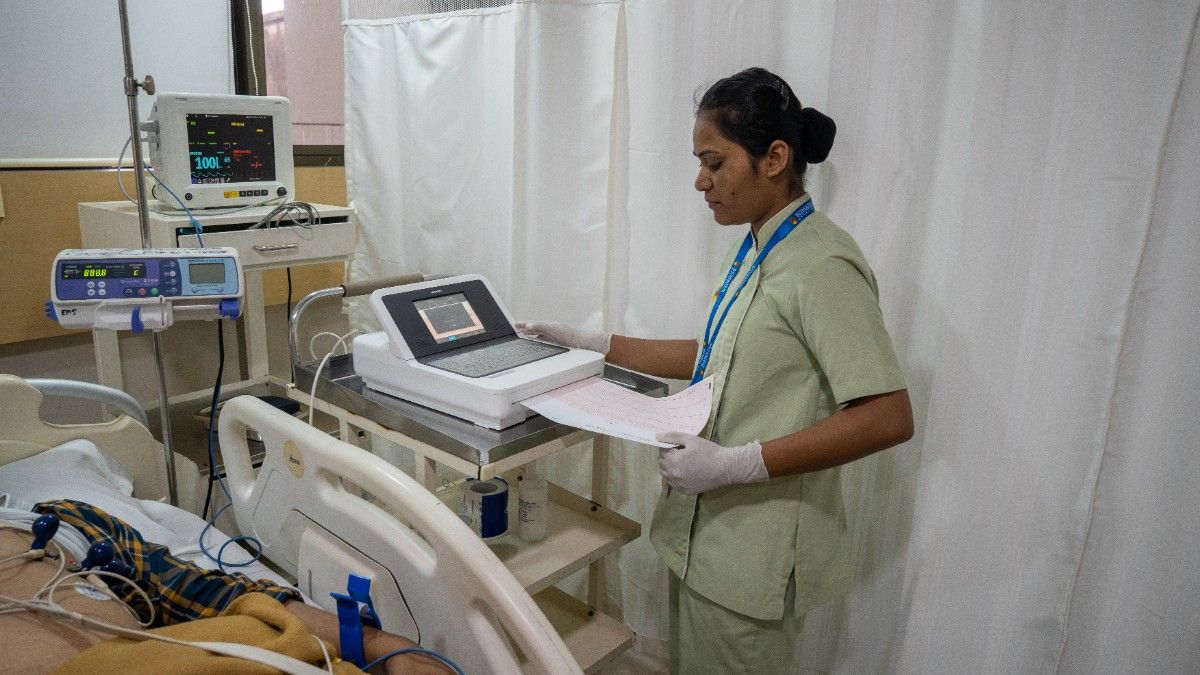

PFT services at K J Somaiya Hospital are conducted using standardised spirometry equipment and respiratory testing protocols to ensure accuracy and patient comfort.
Key safety and quality features include:
A PFT lung test is used to evaluate how well the lungs are working by measuring airflow and lung capacity. It helps doctors diagnose and monitor respiratory conditions, especially when symptoms suggest airway narrowing or reduced lung performance.
A PFT test is commonly advised for:
Results help doctors plan further evaluation and long-term respiratory care.
A PFT spirometry test is one of the most common tests used to evaluate asthma. It helps detect airway narrowing and measures how well air flows out of the lungs.
A PFT test asthma evaluation helps in:
Doctors interpret spirometry results along with symptoms and clinical history.
A PFT bronchodilator test, also known as a PFT BDR test, measures lung function before and after inhaler medication. This helps determine whether airflow improves with bronchodilator treatment.
This test is useful to:
It is performed only when clinically advised.
A full PFT test may include spirometry along with additional measurements depending on clinical requirement. It is typically advised for patients who need a more detailed lung function assessment beyond basic spirometry.
A complete PFT test may support evaluation of:
The exact test components are decided by the doctor based on symptoms.
A PFT diffusion test evaluates how effectively oxygen passes from the lungs into the bloodstream. It helps assess lung gas exchange capacity, especially in certain chronic or progressive lung conditions.
This test may be advised to:
Doctors interpret diffusion results alongside other PFT findings.
A PFT is not an allergy test in itself, but it may be recommended when allergy-related symptoms affect breathing. Many patients search for a PFT allergy test when they experience wheezing, coughing, or seasonal breathing difficulty.
A PFT respiratory test can help:
For allergy confirmation, doctors may advise additional investigations.
If you are searching for a PFT test centre near you, it is important to choose a facility that follows standardised spirometry protocols and provides accurate interpretation.
A reliable PFT centre should offer:
Hospitals with integrated respiratory diagnostics are usually preferred for dependable results.