




What Is an EMG Test and What Does It Examine?
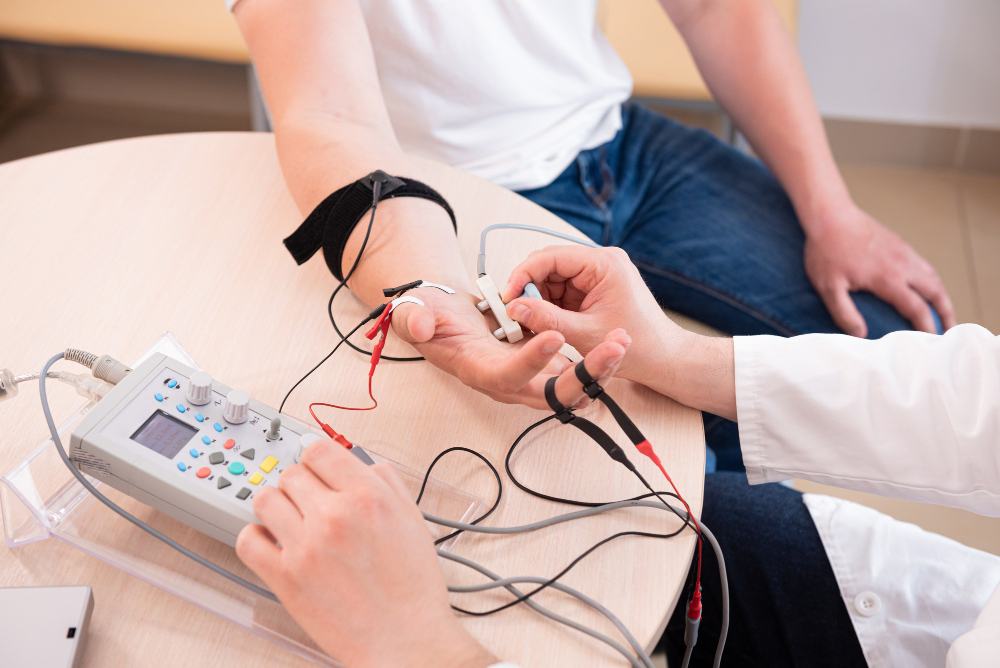
Electromyography (EMG) is a specialised diagnostic test used to evaluate the health and function of muscles and the nerves that control them. By recording the electrical activity of muscles at rest and during contraction, EMG helps doctors identify neuromuscular abnormalities and understand the cause of muscle weakness or nerve-related symptoms.
At K J Somaiya Hospital, EMG testing is performed using advanced equipment and supervised by trained specialists. This EMG diagnostic test supports accurate evaluation of conditions such as nerve injuries, neuropathies, myopathies, and motor neuron disorders, helping clinicians plan appropriate treatment and monitor disease progression.
An EMG nerve test is commonly advised to assess:
The hospital provides comprehensive neuro-diagnostic testing for neuromuscular evaluation and long-term monitoring.
EMG services include:
All tests are recommended based on clinical symptoms and specialist evaluation.
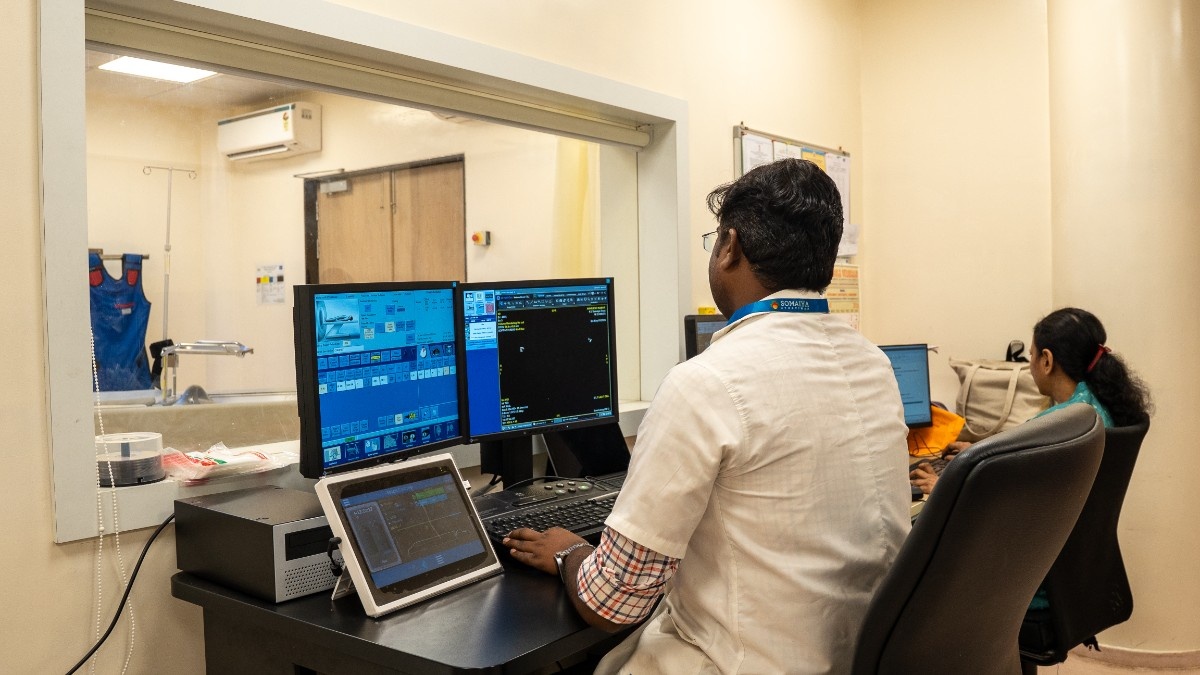

EMG services at K J Somaiya Hospital are supported by:
These practices ensure reliable results and clinically meaningful reporting
An EMG test is used to evaluate how well muscles and the nerves controlling them are functioning. It helps doctors identify neuromuscular problems that may cause weakness, tingling, cramps, or abnormal muscle activity.
An EMG medical test is commonly advised to:
The test provides valuable diagnostic information when clinical symptoms suggest a neuromuscular issue.
EMG and NCV are related but not the same. An EMG NCV test often refers to a combined evaluation where both nerve conduction studies (NCV) and EMG are performed together for a complete neuromuscular assessment.
The combined test helps to:
Doctors recommend the appropriate combination based on symptoms and clinical findings.
An EMG nerve conduction test is recommended when doctors need to assess how effectively electrical signals travel through nerves. It is particularly useful when symptoms suggest nerve compression or nerve injury.
This test is commonly advised for:
An EMG nerve test supports accurate diagnosis and helps guide further care.
Yes, an EMG test for nerve damage is commonly used to identify abnormalities in nerve function and muscle response. It helps doctors determine whether symptoms are due to nerve injury, nerve compression, or neuromuscular disorders.
EMG testing helps to:
However, results are interpreted along with clinical examination and other investigations.
Yes, an EMG test for myasthenia gravis may be advised when a neurologist suspects a neuromuscular junction disorder. EMG findings can help support diagnosis and guide further evaluation.
This test may be recommended when patients have:
The test is performed under specialist supervision to ensure accurate interpretation.
Yes, EMG test in Mumbai is available at KJ Somaiya Hospital using advanced equipment and specialist-guided protocols. Patients referred for combined testing can also undergo EMG NCV test Mumbai evaluations as clinically advised.
These tests support:
If you are searching for an EMG test near you, it is important to choose a facility that provides specialist-supervised testing and reliable reporting, as EMG interpretation requires clinical expertise.
A reliable EMG centre should offer: