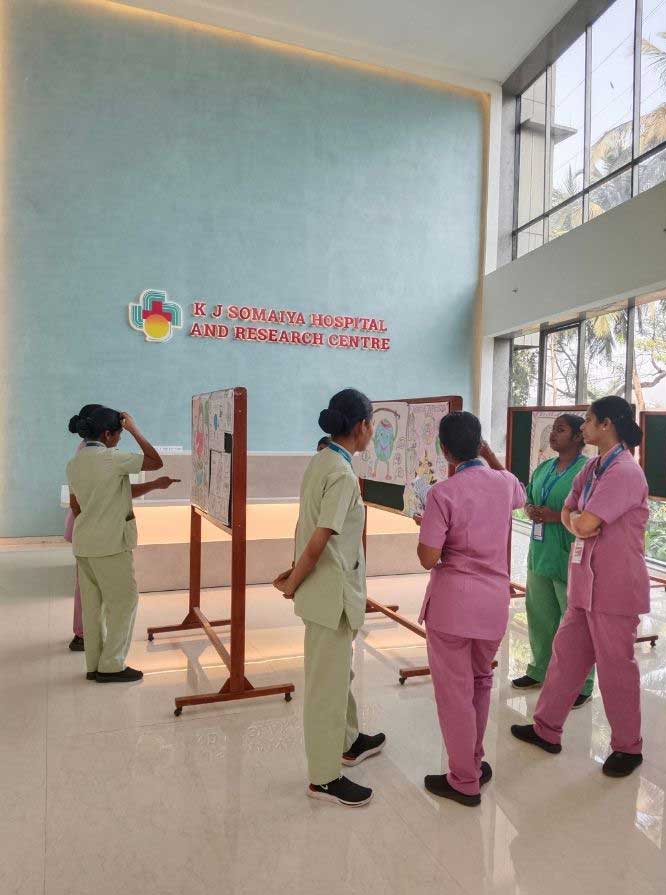





Clinical Biochemistry is a branch of laboratory medicine that focuses on analysing the chemical composition of body fluids such as blood and serum. These tests help doctors identify biochemical changes associated with various medical conditions and support evidence-based diagnosis and treatment planning.
At K J Somaiya Hospital, the Clinical Biochemistry Laboratory provides round-the-clock diagnostic support. By performing a wide range of biochemical investigations, the laboratory helps complement clinical examination findings and supports accurate medical decision-making across specialties.
Clinical biochemistry tests are commonly used to assess:
The Clinical Biochemistry Laboratory performs an extensive range of tests, supporting OPD, IPD, ICU, emergency services, and health camps.
Biochemistry services include:
The laboratory offers more than a hundred tests, supporting both routine evaluation and comprehensive health assessment, including full body blood test panels where advised.
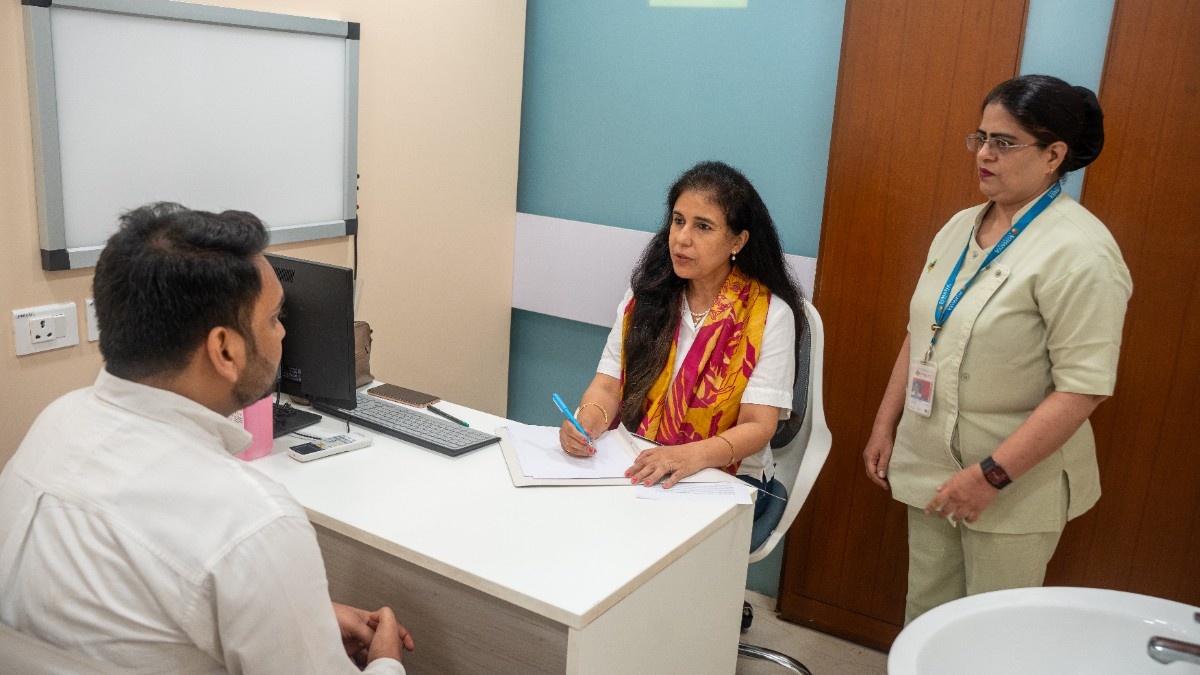

The Clinical Biochemistry Laboratory at K J Somaiya Hospital operates with a strong focus on accuracy, reliability, and quality.
Key features include:
These systems ensure consistency, accuracy, and dependable laboratory results
A biochemistry blood test helps assess how well different organs and systems in the body are functioning. It provides measurable information that supports diagnosis, treatment planning, and monitoring.
These tests are commonly used to:
Doctors decide which tests are required based on symptoms and medical history
Routine biochemistry investigations may include commonly prescribed tests such as blood sugar test, electrolyte test, uric acid test, and serum creatinine test, depending on clinical need.
These tests help assess:
Test selection varies based on medical advice.
A liver function test evaluates enzymes and proteins related to liver health, while a kidney function test assesses how effectively the kidneys are filtering waste from the blood.
These tests are used to:
Doctors may advise one or both tests depending on symptoms.
Some tests, such as a fasting blood test, require patients to avoid food for a specific number of hours, while others do not.
Fasting may be advised for:
Patients are informed about preparation requirements at the time of test booking.
Many routine biochemistry tests are processed efficiently, allowing for same day blood test reporting where applicable. However, reporting timelines may vary depending on the type and complexity of the test.
Factors affecting turnaround time include:
Patients are guided on expected timelines when samples are collected.
Doctors may advise a full body blood test or a blood test package in Mumbai as part of preventive health evaluation or routine check-ups.
These packages may include:
Test combinations are based on medical recommendation.
If you are searching for a KFT test near you, the Clinical Biochemistry Laboratory at K J Somaiya Hospital offers kidney function testing as part of routine and specialised biochemistry services.
Testing is available:
This ensures timely testing and continuity of care.