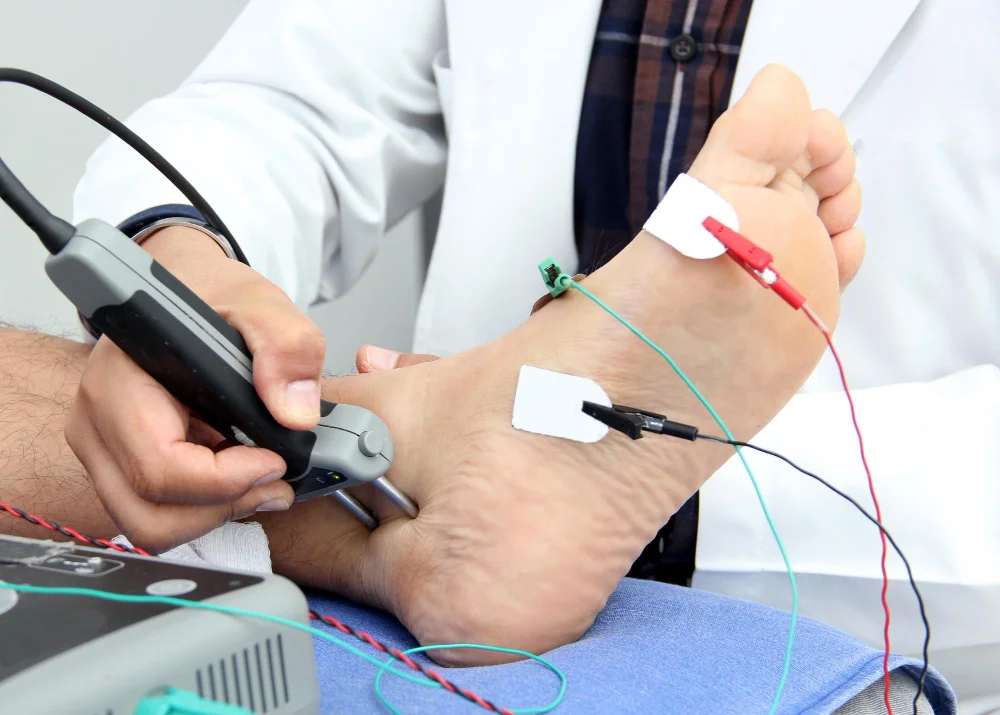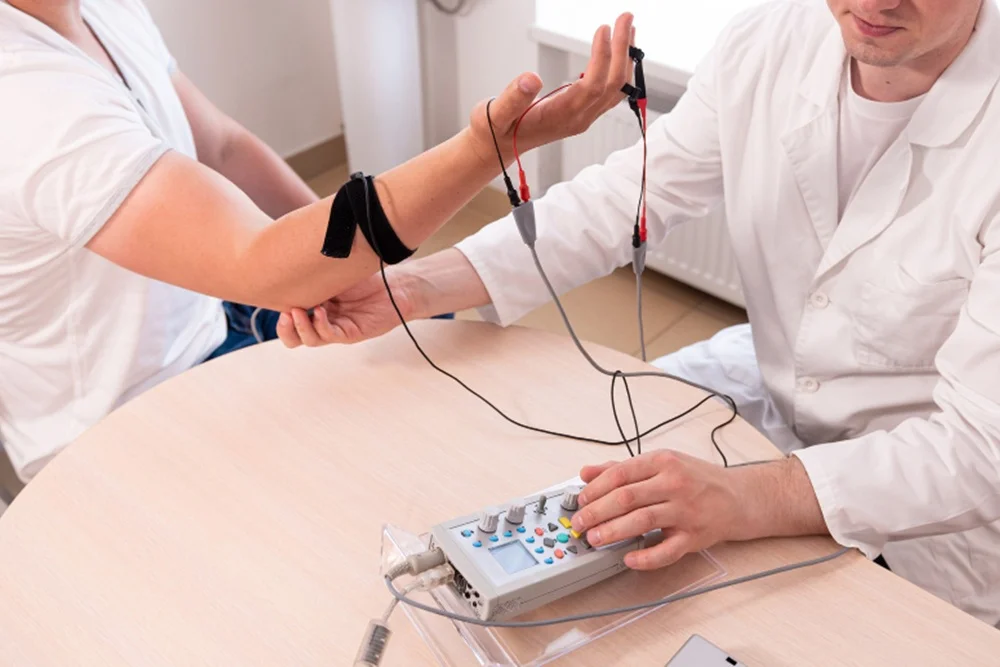




Nerve Conduction Velocity (NCV) testing is a diagnostic procedure used to measure the speed and strength of electrical signals travelling through peripheral nerves. It helps evaluate nerve function and detect abnormalities that may indicate nerve damage or compression.
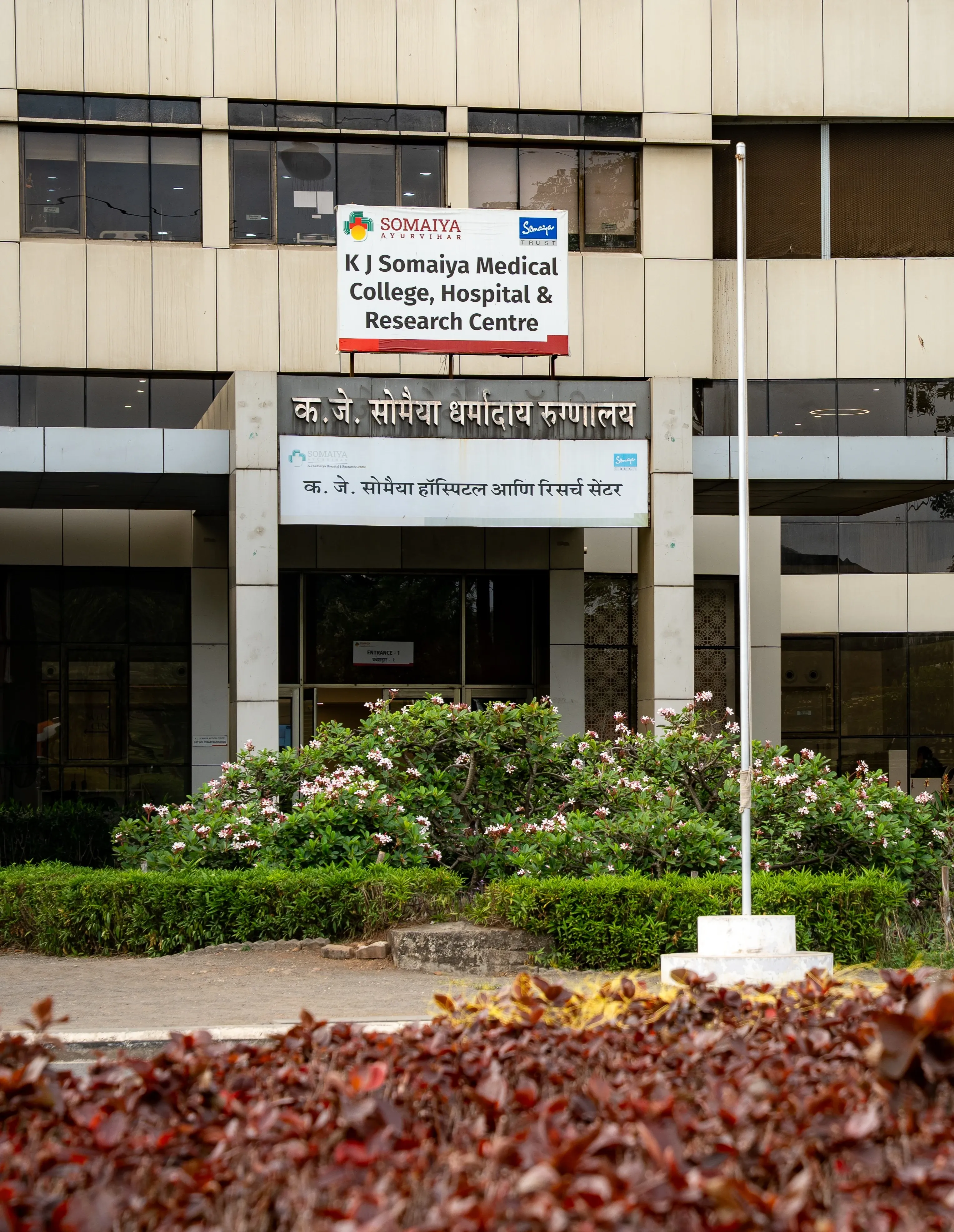
At K J Somaiya Hospital, NCV testing is performed using advanced diagnostic equipment and interpreted by experienced specialists. This NCV diagnostic test supports early diagnosis and treatment planning for a wide range of neuromuscular and nerve-related conditions.
An NCV nerve test is commonly advised to assess:
The hospital provides comprehensive NCV testing services as part of neurology and neuro-diagnostic evaluation.
NCV services include:
These investigations support diagnosis and monitoring of nerve compression disorders, peripheral neuropathy, and other nerve-related conditions.
NCV services at K J Somaiya Hospital are delivered with a strong focus on safety, precision, and clinical reliability.
Key features include:
NCV is considered a safe and minimally invasive diagnostic evaluation used widely in neurological care.
An NCV test is used to evaluate how well electrical signals travel through peripheral nerves. It helps doctors detect nerve damage, nerve compression, and disorders that affect nerve conduction.
This NCV medical test is commonly advised to:
NCV results are interpreted along with symptoms and clinical examination findings.
An EMG and NCV test are often advised together because they evaluate different parts of the neuromuscular system. NCV measures nerve signal transmission, while EMG assesses muscle electrical activity.
A combined EMG & NCV test helps to:
Doctors recommend one or both tests based on clinical need.
An NCV study test involves stimulating nerves and recording how fast and strongly the signal travels. This helps evaluate nerve conduction in specific areas, especially when symptoms affect the arms, hands, legs, or feet.
NCV testing is commonly performed for:
The exact nerves tested depend on the clinical complaint.
A facial NCV test may be advised when doctors need to evaluate facial nerve function, especially in cases of facial weakness or suspected nerve involvement.
A NCV facial nerve test may support diagnosis in conditions involving:
The test helps guide further neurological evaluation and management.
NCV is generally considered a safe diagnostic procedure. Patients may feel mild discomfort during stimulation, but it is usually well tolerated and performed under professional supervision.
This NCV diagnostic test is performed to ensure:
Patients can resume normal activities after the test unless advised otherwise.
If you are searching for an NCV test centre near you, it is important to choose a facility that offers specialist interpretation and standardised testing protocols.
A reliable NCV centre should provide:
NCV testing should always be performed in a medically supervised environment.
Yes, NCV test in Mumbai is available at KJ Somaiya Hospital with modern diagnostic systems and specialist-led interpretation.
NCV testing supports: