




Operation Theatres for Safe and Advanced Surgical Care

Designed to support precision, safety, and smooth surgical workflows across specialties

Operation Theatre Facilities Supporting Safe Surgical Care 

Supporting complex surgeries with safety-led design and controlled clinical environments 

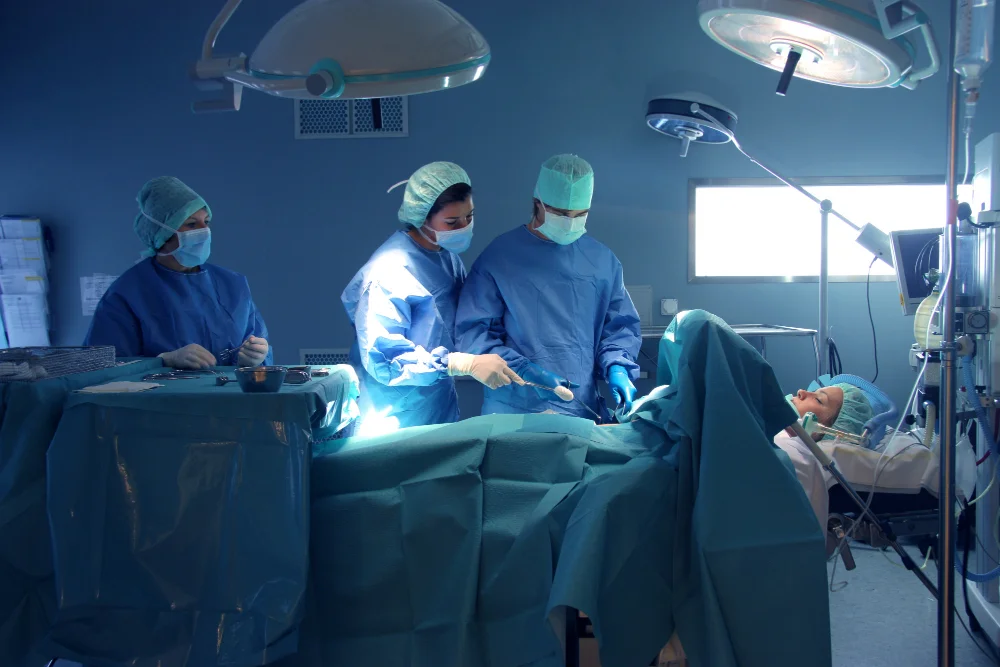
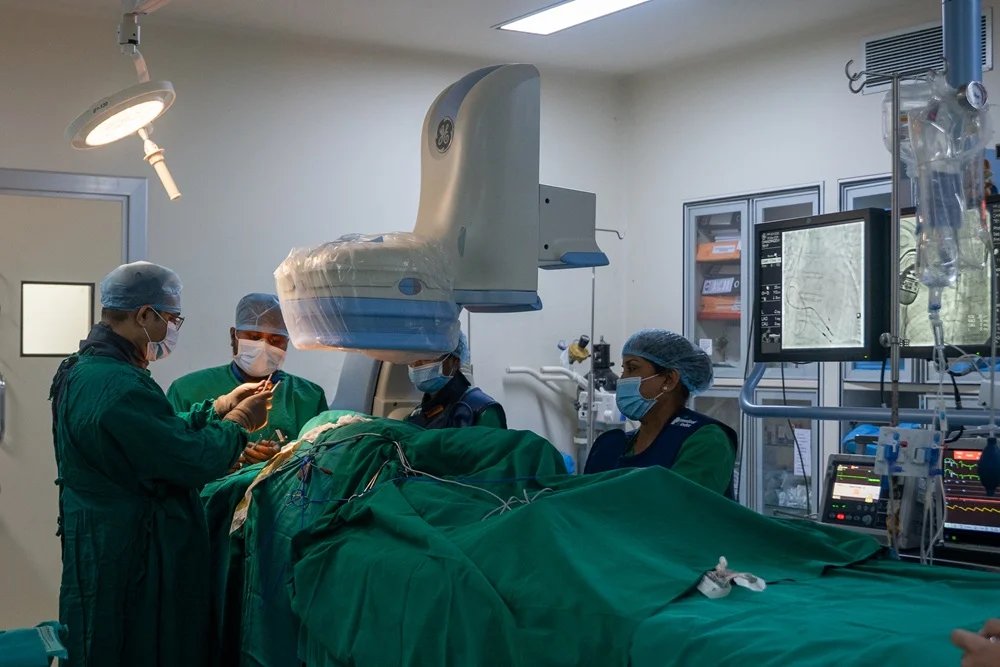
The Operation Theatres (OTs) at K J  Somaiya Hospital are specially designed to accommodate a broad spectrum of surgical procedures across various specialties. They are organised to ensure efficient patient flow, stringent infection control, and a safe environment for surgical teams. 

These OTs cater to patients undergoing elective, emergency, and complex surgeries, with layouts optimised for quick access and seamless coordination of care. 

Scope of care includes: 

  • Surgical procedures across multiple medical and surgical specialties 
  • Emergency and planned surgeries require controlled environments 
  • Complex and supra-major surgical interventions 
  • Procedures requiring advanced anaesthesia and continuous monitoring 

Services / Facilities

The operating theatres are designed to accommodate varying surgical requirements while maintaining consistent safety and infection control standards. 

Services and surgical support provided include: 
  • Elective surgical procedures across specialties 
  • Emergency surgical interventions 
  • Supra-major and complex surgeries 
  • Anaesthesia-supported surgical care 
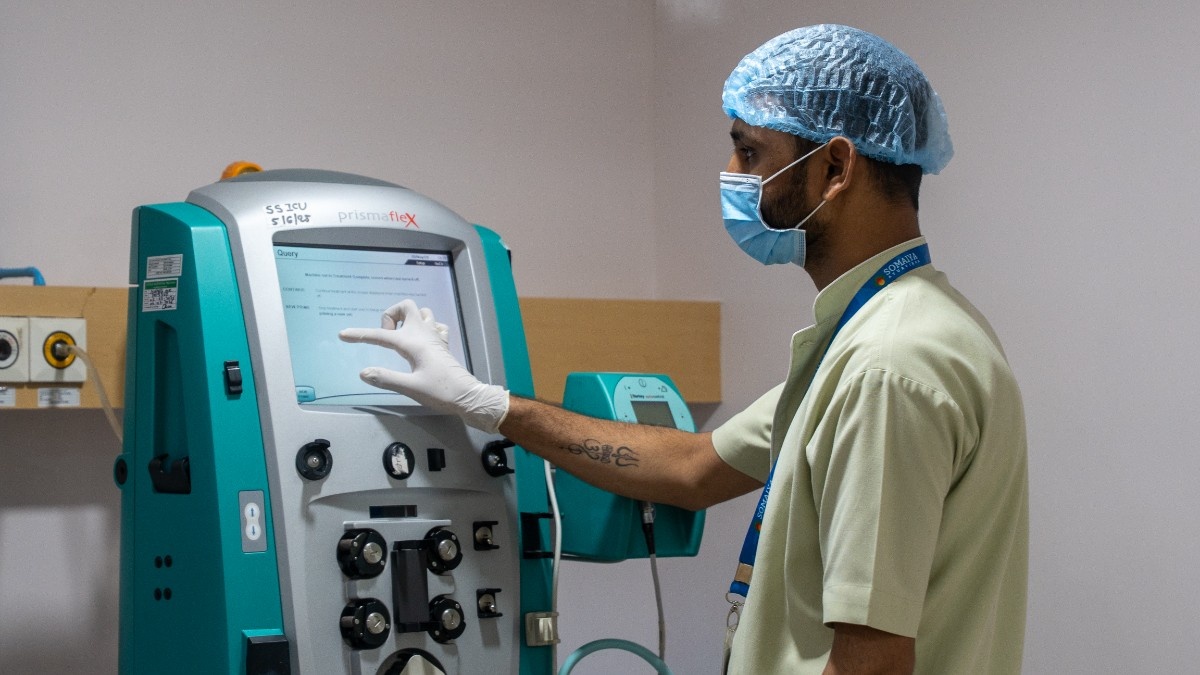
  • Continuous intraoperative patient monitoring 

Technology, Safety & Reporting Standards

Advanced technology plays a critical role in maintaining safety, sterility, and precision during surgical procedures. 

  • Laminar Airflow Systems 
    Creates a controlled airflow pattern that reduces airborne contamination, helping maintain a sterile surgical environment. 
  • Modular Operation Theatre Design 
    Allows flexibility to adapt the space for different types of surgeries, including complex and high-risk procedures. 
  • Modern Anaesthesia Workstations 
    Supports accurate delivery and monitoring of anaesthesia to ensure patient stability during surgery. 
  • Advanced Patient Monitoring Systems 
    Enables continuous tracking of vital parameters throughout the surgical procedure, supporting timely clinical decisions

FAQ

01. What are operation theatres in hospitals?

Operation theatres are specially designed sterile rooms where surgical procedures are performed under controlled conditions to ensure patient safety and infection prevention. 

  • Designed to minimise infection risks 
  • Equipped for anaesthesia and monitoring 
  • Used for elective and emergency surgeries 

02. How do operation theatres maintain infection control standards?

Infection control in operation theatres is maintained through controlled airflow, strict protocols, and specialised infrastructure that limits contamination. 

  • Laminar airflow to reduce airborne particles 
  • Sterile zoning and controlled access 
  • Adherence to international infection control practices 

03. What types of surgeries are performed in modular operation theatres?

Modular operation theatres are designed to support a wide range of procedures, including complex and supra-major surgeries, by offering adaptable layouts. 

  • Suitable for multi-specialty surgeries 
  • Flexible design for complex procedures 
  • Supports advanced surgical equipment 

04. What facilities are available in operation theatres in Mumbai hospitals?

Operation theatres in Mumbai hospitals are typically equipped to handle both routine and complex surgeries with a focus on safety and efficiency. 

  • Advanced anaesthesia systems 
  • Continuous patient monitoring 
  • Emergency-accessible theatre layouts 

05. Why is laminar airflow important in operation theatres?

Laminar airflow helps maintain a sterile surgical environment by controlling the movement of air and reducing contamination during procedures. 
  • Reduces surgical site infection risk 
  • Maintains consistent air quality 
  • Supports safer surgical outcomes
For planned surgeries or procedural consultations, patients and caregivers can speak with the care team to understand surgical preparation and theatre protocols. Appointments can be scheduled to discuss surgical requirements and care pathways in advance.

Healthcare Designed Around You